
The Gambia: The Smiling Coast of Africa
The Gambia is a small, slender country in West Africa, uniquely enveloped on three sides by Senegal and bordered to the west by the Atlantic Ocean. Known as “The Smiling Coast of Africa,” it is celebrated for its welcoming people, vibrant culture, and picturesque landscapes. Despite its small size, The Gambia is rich in history, biodiversity, and traditions.
Key Features of The Gambia
1. Geography and Climate
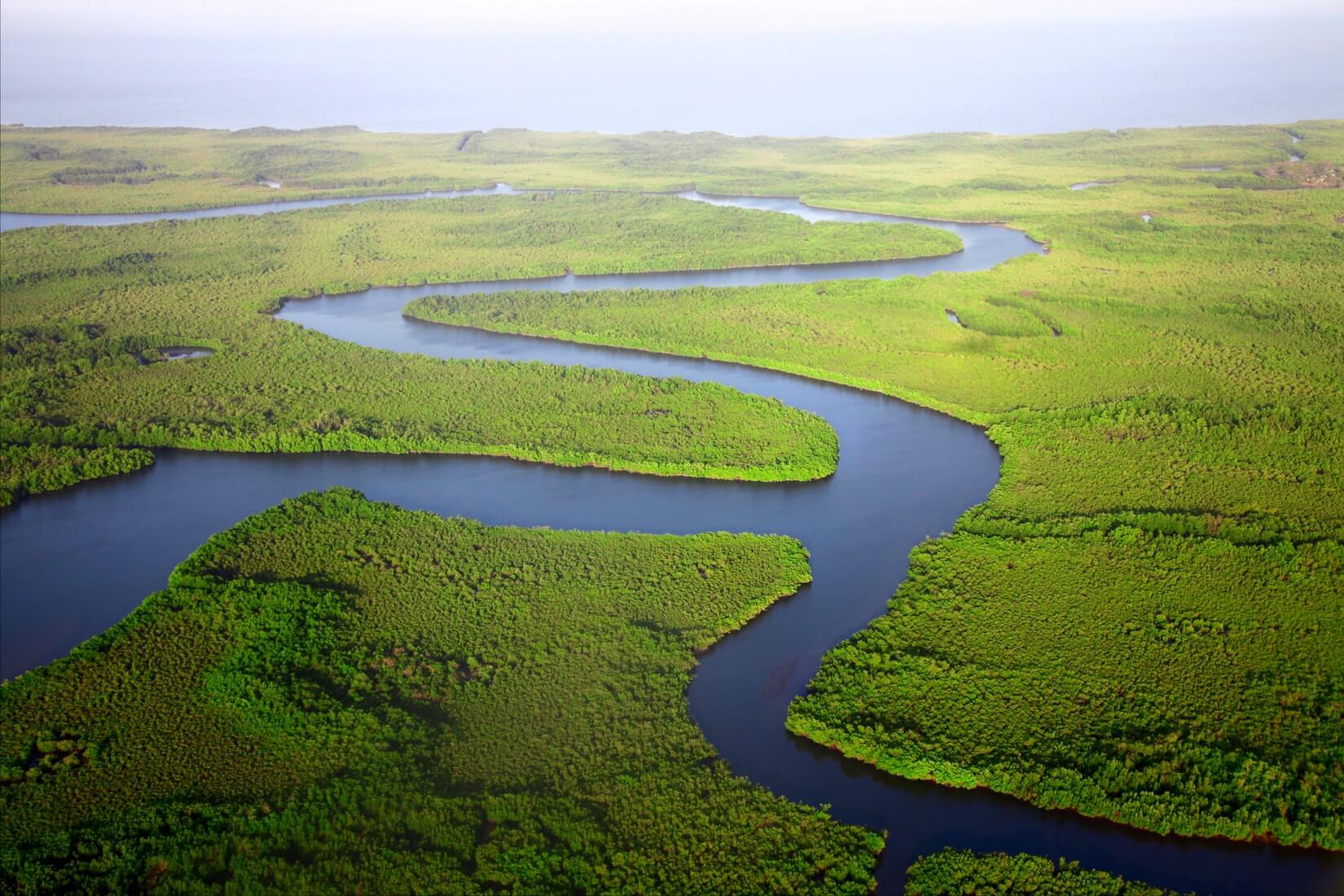
- Location: The Gambia is the smallest country on mainland Africa, stretching about 450 kilometers along the Gambia River, which flows through the heart of the country.
- Climate: A tropical climate characterized by a dry season (November to May) and a rainy season (June to October).
2. Population and Culture
- Population: Approximately 2.5 million people, with a diverse mix of ethnic groups, including the Mandinka, Fula, Wolof, Jola, and Serahule.
- Languages: English is the official language, but local languages like Mandinka, Wolof, and Fula are widely spoken.
- Religion: Predominantly Muslim (around 95%), with small Christian and traditional religious communities.
- Culture:
- Rich in music and dance, with kora (a 21-string lute-bridge harp) being a hallmark of Gambian musical heritage.
- Traditional ceremonies, storytelling, and colorful attire are integral to Gambian society.
3. Economy
- Agriculture: A key sector, with crops like groundnuts (peanuts), millet, and rice being the mainstays.
- Tourism: One of the largest contributors to the economy, attracting visitors with beaches, wildlife, and cultural experiences.
- Fishing: An important livelihood for coastal communities.
- Challenges: The Gambia faces economic challenges like poverty, youth unemployment, and reliance on foreign aid.
4. History
- Ancient Roots: The Gambia has a rich precolonial history tied to the Mali and Songhai empires.
- Colonial Era: Colonized by the British in the 19th century, The Gambia gained independence on February 18, 1965.
- Modern Era: Transitioned to democracy in 2017 after the peaceful removal of former leader Yahya Jammeh.
5. Tourism and Landmarks
- Beaches: The coastline is dotted with resorts and serene beaches like Kololi, Kotu, and Cape Point.
- River Gambia: Offers opportunities for boat tours, birdwatching, and exploring rural villages.
- Abuko Nature Reserve: A haven for wildlife and one of the oldest protected areas in The Gambia.
- Kunta Kinteh Island: A UNESCO World Heritage Site with ties to the transatlantic slave trade, formerly known as James Island.
- Stone Circles of Senegambia: Ancient megalithic structures and burial sites in the region.
6. Government and Politics
- System: A unitary presidential republic.
- Capital: Banjul, a small but historically significant city located on St. Mary’s Island.
- Economic Hubs: Serekunda, the largest city, serves as a commercial and cultural center.
Highlights of The Gambia
- Hospitality: Gambians are renowned for their friendliness and openness, welcoming visitors with a smile.
- Biodiversity: A paradise for birdwatchers and nature lovers, with over 500 bird species and rich wildlife.
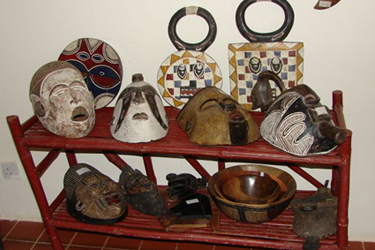
- Cultural Depth: From griots (traditional storytellers) to vibrant festivals, The Gambia offers unique cultural experiences.
The Gambia may be small, but it holds a significant place in Africa’s cultural and historical tapestry, making it a compelling destination for those seeking adventure, learning, and connection.