
Algeria: A Country of History and Cultural Diversity
Algeria, the largest country in Africa, is located in North Africa, bordered by the Mediterranean Sea to the north and the Sahara Desert to the south. It is known for its rich history, diverse landscapes, and vibrant cultural heritage, which reflect the influences of Berber, Arab, Ottoman, and French civilizations.
Geography and Climate
- Capital: Algiers
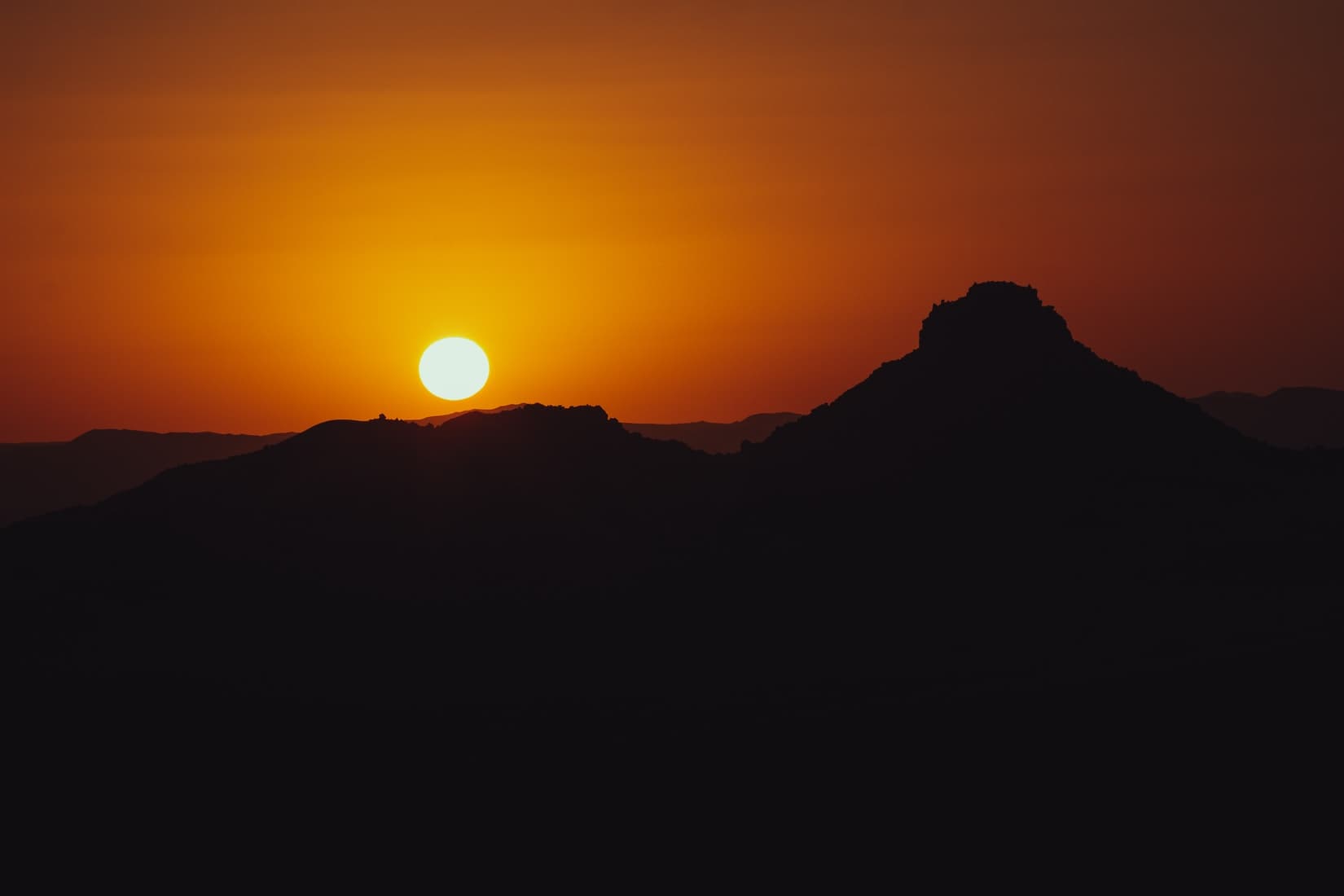
- Landscape: Algeria boasts diverse geographical features, including the Atlas Mountains, the expansive Sahara Desert, and the Mediterranean coastline.
- Climate: The coastal regions enjoy a Mediterranean climate, while the inland and desert areas are arid.
History
- Ancient Roots: Algeria has been home to various ancient civilizations, including the Berbers, Phoenicians, and Romans.
- Islamic Influence: Arab invasions in the 7th century introduced Islam, shaping much of the country’s cultural and social fabric.
- French Colonization: Algeria was colonized by France in 1830 and gained independence in 1962 after a lengthy liberation war.
Arts and Culture
1. Traditional Arts
- Carpets and Weaving: Berber carpets are highly prized for their intricate patterns and vibrant colors.
- Pottery and Ceramics: Traditional pottery reflects Algeria’s regional diversity, with motifs inspired by nature and heritage.
- Jewelry: Berber silver jewelry, adorned with gemstones, is renowned for its craftsmanship and symbolism.
2. Music
- Rai Music: Originating in Oran, Rai blends traditional and modern influences. Artists like Cheb Khaled and Cheb Mami have brought this genre to global audiences.
- Chaabi: A popular urban genre rooted in Andalusian music, performed with traditional instruments like the mandole.
- Kabyle Music: Songs in the Kabyle Berber language preserve cultural stories and identity.
3. Literature and Cinema
- Literature: Authors like Kateb Yacine and Assia Djebar have explored themes of identity, colonization, and independence in their works.
- Cinema: Algerian films like “Chronicle of the Years of Fire” by Mohammed Lakhdar-Hamina have won international acclaim, reflecting the country’s historical and social struggles.
4. Festivals and Celebrations
- Timgad Festival: Held in the ancient Roman city of Timgad, this event celebrates music and arts from Algeria and beyond.
- Yennayer: The Berber New Year, marked by traditional food, music, and cultural performances.
Cultural Institutions and Landmarks
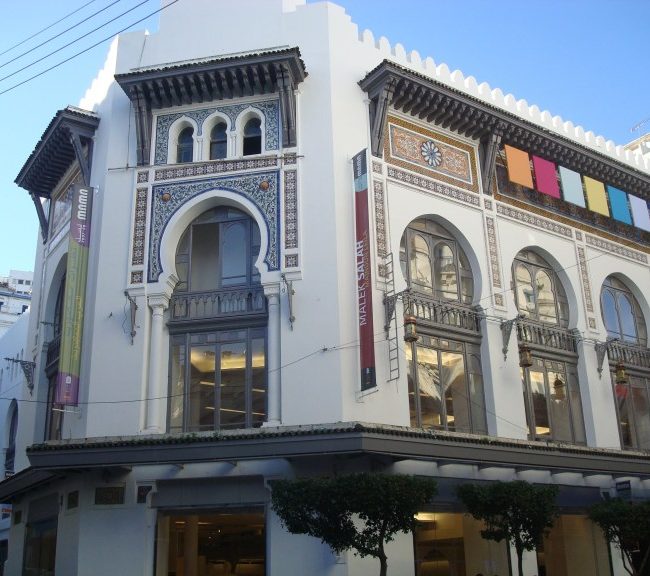
- Kasbah of Algiers: A UNESCO World Heritage Site, this historic medina showcases Algeria’s architectural and cultural heritage.
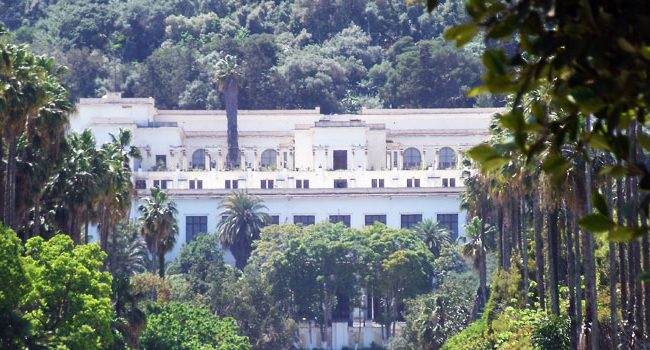
- Museums: The Bardo National Museum in Algiers and the Ahmed Zabana Museum in Oran display artifacts from Algeria’s rich history.
- Ancient Ruins: Sites like Timgad, Djemila, and Tipasa highlight Algeria’s Roman past.
Economy and Tourism
- Natural Resources: Algeria’s economy is heavily reliant on oil and natural gas exports.
- Tourism: Attractions range from the Mediterranean coastline to the Sahara Desert, with cultural tourism drawing interest to its historical cities and landmarks.
Challenges and Resilience
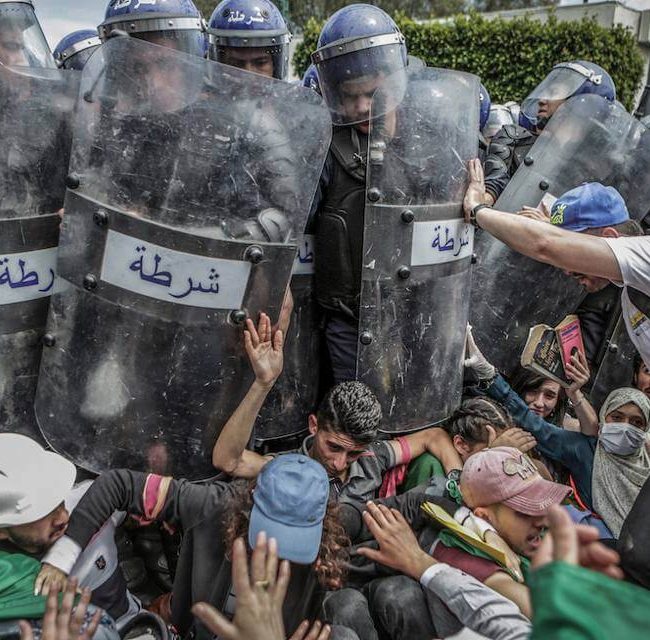
Despite political and economic challenges, Algeria remains a culturally dynamic nation. Its arts and traditions continue to thrive, bridging its ancient heritage with modern expressions.
Algeria’s cultural richness and natural beauty make it a fascinating destination and an essential part of Africa’s historical and artistic landscape.