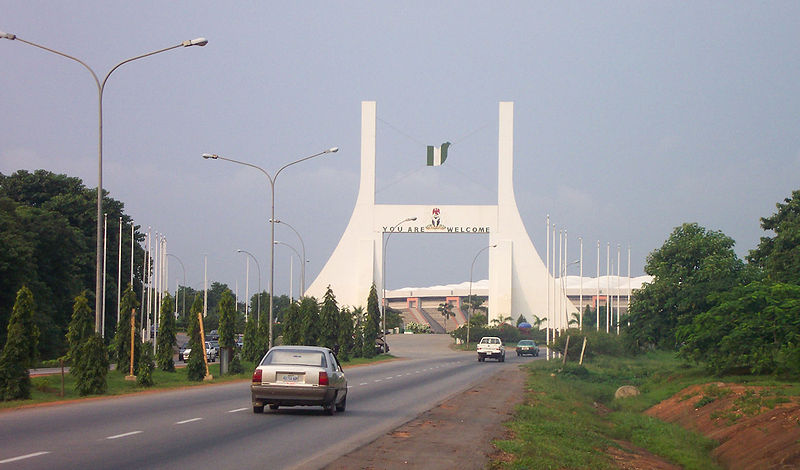

Abuja is the capital city of Nigeria, strategically located in the center of the country within the Federal Capital Territory (FCT). Established in 1991 as a planned city, Abuja replaced Lagos as the capital due to its central location, which was chosen to promote national unity and provide room for growth.
Key Features of Abuja
1. Geography and Climate:
- Location: Surrounded by scenic hills and the Zuma Rock, Abuja lies in the geographical heart of Nigeria.
- Climate: Features a tropical savanna climate with a distinct dry season (November to March) and rainy season (April to October). Temperatures are generally warm year-round.
2. Population and Urban Planning:
- Population: Estimated at over 3.5 million, Abuja is one of the fastest-growing cities in Africa.
- Urban Design:
- Designed by Japanese architect Kenzo Tange, the city follows a well-structured master plan.
- Divided into districts for administrative, residential, and commercial purposes.
- Neighborhoods like Maitama, Asokoro, and Wuse are among the most affluent and well-developed areas.
3. Government and Politics:
- Political Hub: As Nigeria’s capital, Abuja is home to the Presidential Villa (Aso Rock), the National Assembly, and the Supreme Court.
- Diplomatic Center: Hosts embassies, international organizations, and regional bodies like ECOWAS (Economic Community of West African States).
4. Economy:
- Administrative Focus: Abuja’s economy is driven by government activities and services.
- Real Estate: A booming sector, fueled by the city’s rapid growth and demand for housing and office space.
- Tourism and Events: A growing contributor, with conferences, exhibitions, and cultural festivals attracting visitors.
5. Landmarks and Attractions:
- Zuma Rock: A massive monolith and one of Abuja’s most iconic symbols, located just outside the city.
- Aso Rock: A granite outcrop overlooking the Presidential Complex and the city, symbolic of Nigeria’s unity.
- National Mosque and National Christian Centre: Architectural marvels representing Nigeria’s religious diversity.
- Jabi Lake: A serene location for leisure activities, boating, and shopping at nearby malls.
- Millennium Park: Abuja’s largest public park, perfect for picnics and outdoor relaxation.
6. Transportation:
- Nnamdi Azikiwe International Airport: A key gateway for domestic and international flights.
- Road Network: Well-paved highways and expressways connect Abuja to other parts of Nigeria.
- Public Transport: Buses, taxis, and ride-hailing services like Bolt and Uber facilitate urban mobility.
Highlights of Abuja
- A Planned City: Abuja stands out as a model for urban planning in Africa, combining modern infrastructure with green spaces.
- Cultural Diversity: Despite being a relatively new city, it reflects Nigeria’s rich cultural heritage, hosting people from all regions of the country.
- Symbol of Unity: Its central location and representation of all ethnic groups make Abuja a unifying capital for Nigeria.
Abuja is a city of opportunity, ambition, and growth, embodying the spirit of a modern, forward-looking Nigeria.