
Accra: The Capital of Ghana
Accra is the capital and largest city of Ghana, located along the Gulf of Guinea on the Atlantic coast of West Africa. As the administrative, economic, and cultural heart of Ghana, Accra combines a rich historical legacy with modern urban development, making it one of the most dynamic cities in Africa.
Key Features of Accra
1. Geography and Climate
- Location: Situated in the southeastern part of Ghana, Accra is a coastal city with access to beautiful beaches.
- Climate: Tropical climate with two rainy seasons (April to June and September to October) and a generally warm atmosphere year-round.
2. Population and Culture
- Population: Accra has a population of over 4 million people, making it Ghana’s most populous city.
- Diversity: The city is a melting pot of ethnic groups, including the Ga, Akan, and Ewe communities.
- Languages: While English is the official language, local languages like Ga, Twi, and Ewe are widely spoken.
- Culture:
- Known for its vibrant music scene, including Highlife, Hiplife, and Afrobeat genres.
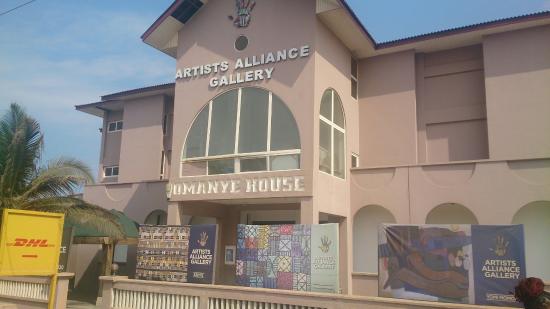
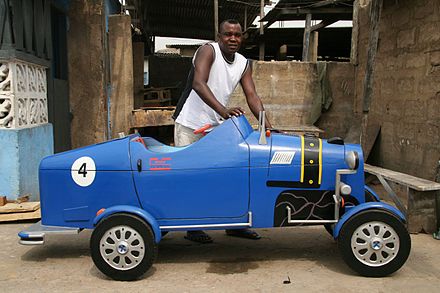
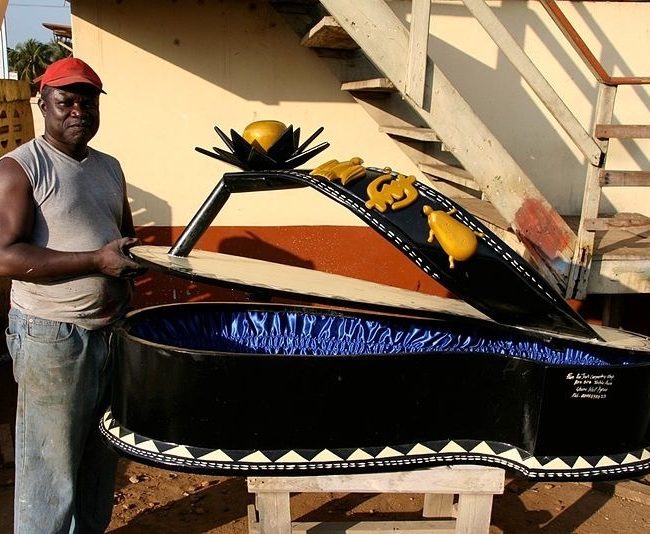
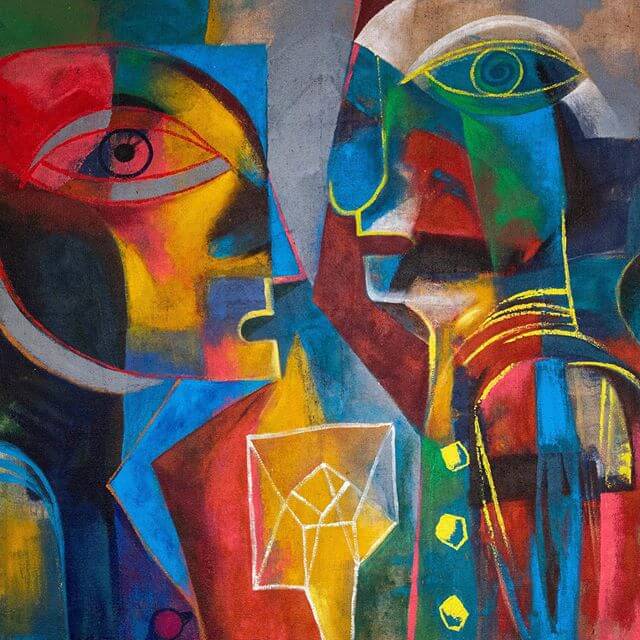
- Art, fashion, and festivals such as Chale Wote Street Art Festival highlight the city’s creative energy.
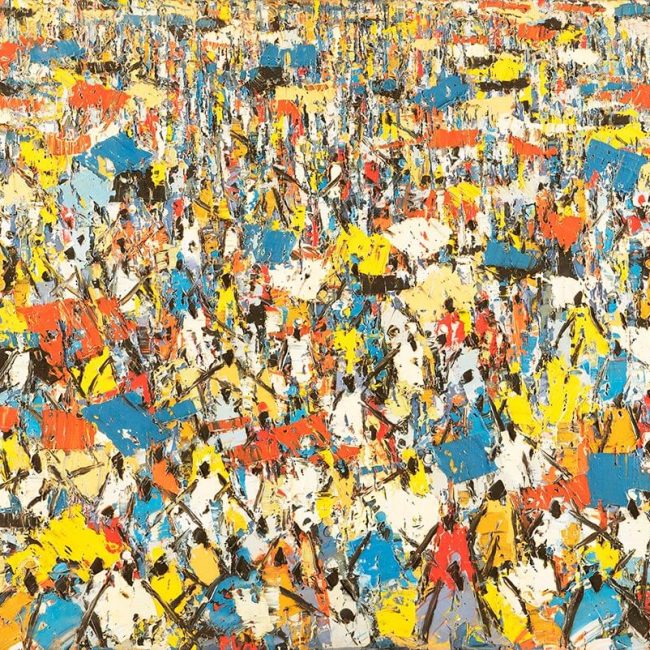
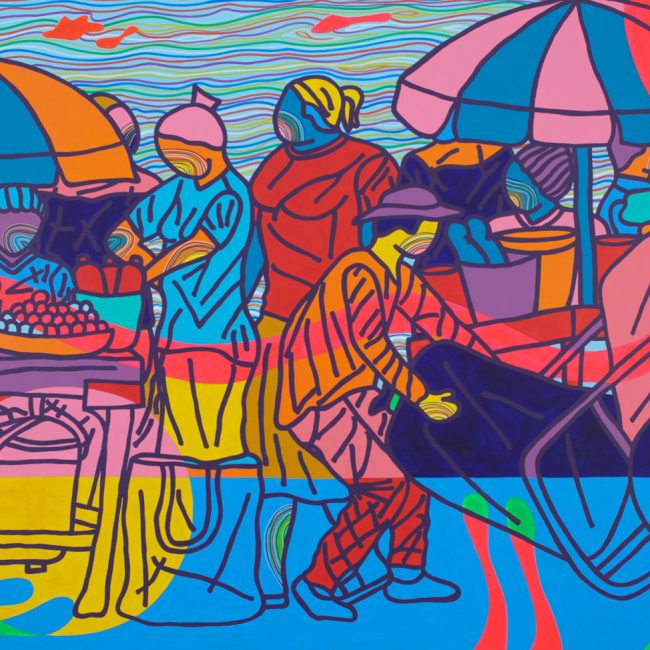
- Traditional markets and street vendors reflect the entrepreneurial spirit of its people.
3. Economy
- Commercial Hub: Accra is Ghana’s economic engine, hosting multinational companies, local businesses, and financial institutions.
- Tourism: A growing sector, with visitors drawn to historical sites, cultural experiences, and modern amenities.
- Industries: Includes manufacturing, retail, technology, and trade, supported by the city’s port and airport.
4. History
- Colonial Roots: Established by the Ga people in the 15th century, Accra later became a key site for European colonial powers, including the Portuguese, Dutch, and British.
- Independence Era: Became the capital of Ghana in 1957, when the country gained independence under Kwame Nkrumah, the first African nation to do so.
- Modern Growth: Accra has evolved into a cosmopolitan city, blending tradition with modernity.
5. Landmarks and Attractions
- Independence Square: A monumental public space symbolizing Ghana’s liberation from colonial rule.
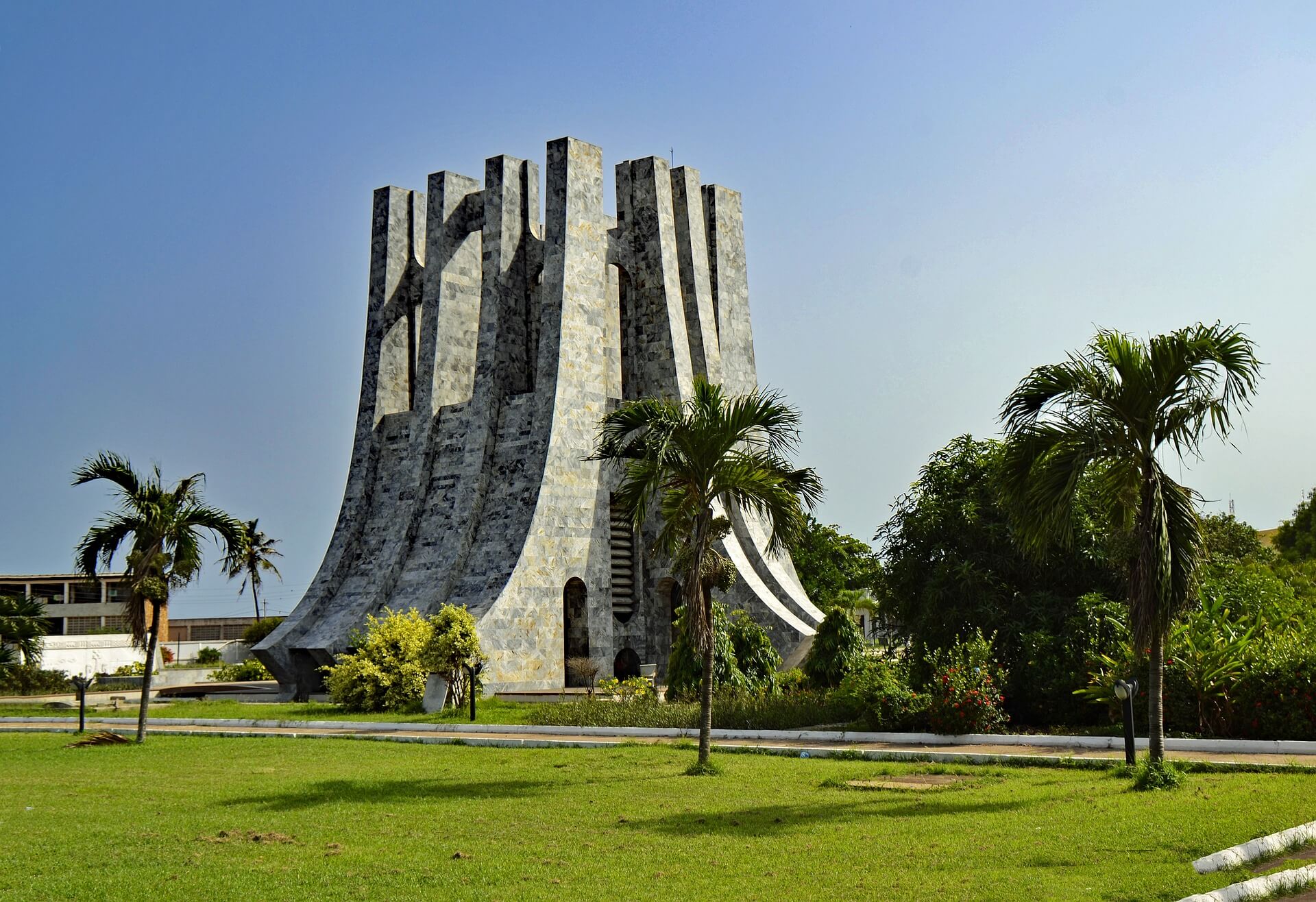
- Kwame Nkrumah Mausoleum: A memorial park dedicated to Ghana’s first president and a symbol of Pan-Africanism.
- Osu Castle (Christianborg Castle): A historical site that served as a colonial administrative center.
- Jamestown: One of the city’s oldest districts, known for its colonial architecture, fishing communities, and vibrant arts scene.
- Makola Market: A bustling hub of trade where you can find everything from textiles to food.
- Labadi Beach: A popular spot for relaxation, music, and local cuisine.
6. Transportation
- Kotoka International Airport: A major gateway to Ghana and West Africa.
- Road Network: Accra has a mix of modern highways and local roads, though traffic congestion is common.
- Public Transport: Tro-tros (shared minibusses), taxis, and ride-hailing services like Bolt and Uber are widely used.
Highlights of Accra
- Cultural Vibrancy: Accra is alive with art, music, and traditions, making it a hub for creatives and cultural enthusiasts.
- Historical Significance: From colonial forts to independence monuments, the city reflects Ghana’s storied past.
- Modern Development: The skyline of Accra is dotted with modern buildings, luxury hotels, and shopping malls.
- Welcoming Spirit: Known for its hospitality, Accra offers visitors an authentic and warm Ghanaian experience.
Accra is a city of contrasts and opportunities, embodying the spirit of Ghana’s progress while honoring its rich heritage. It is both a gateway to the country and a destination in its own right, offering something for everyone.