
Addis Ababa: The Capital of Ethiopia
Addis Ababa is the bustling capital of Ethiopia and the political, cultural, and economic heart of the nation. Known as the “New Flower” (the meaning of its name in Amharic), Addis Ababa is a city of contrasts, where ancient traditions blend seamlessly with modernity. Situated in the Ethiopian highlands, it is also one of the world’s highest capitals, standing at an altitude of 2,355 meters (7,726 feet).
Key Features of Addis Ababa
1. Geography and Climate
- Location: Nestled at the foot of Mount Entoto, Addis Ababa is centrally located, making it a hub for travel and trade in Ethiopia.
- Climate: Characterized by a mild highland climate with warm days and cool nights, it enjoys year-round pleasant weather.
2. Population and Diversity
- Population: The city is home to over 5 million people, making it Ethiopia’s largest urban center.
- Diversity: Addis Ababa is a melting pot of Ethiopia’s many ethnic groups and cultures, reflecting the nation’s rich diversity.
3. Political and Economic Importance
- Political Hub: The city is home to the African Union (AU) headquarters and numerous international organizations, cementing its role as the diplomatic capital of Africa.
- Economic Activity: A rapidly growing city, Addis Ababa boasts industries like manufacturing, trade, and technology, alongside bustling markets like Merkato, the largest open-air market in Africa.
4. Arts and Culture
- Music and Dance: Addis is the birthplace of Ethio-jazz, a unique fusion of traditional Ethiopian music with jazz. Legendary musicians like Mulatu Astatke pioneered this genre. Traditional music and dance remain integral to celebrations and daily life.
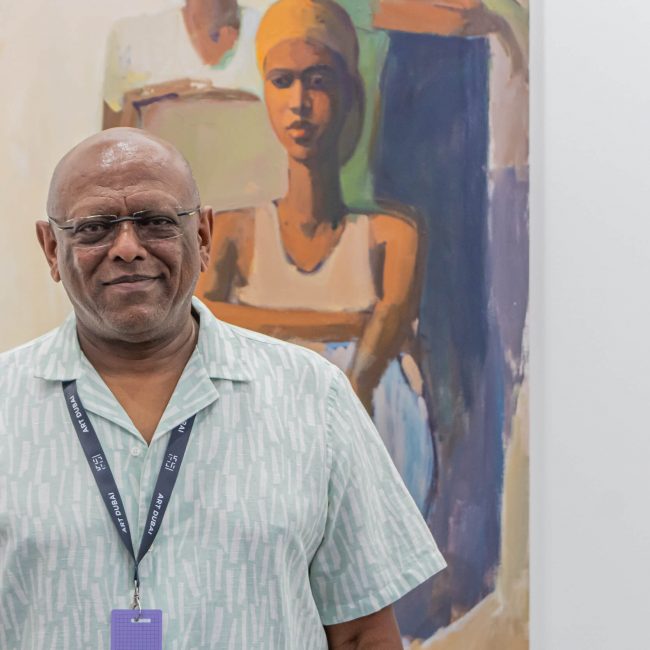
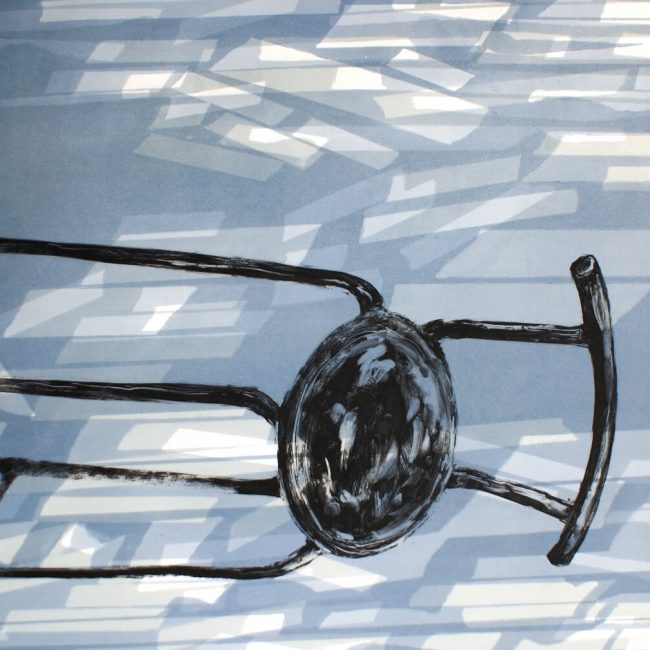
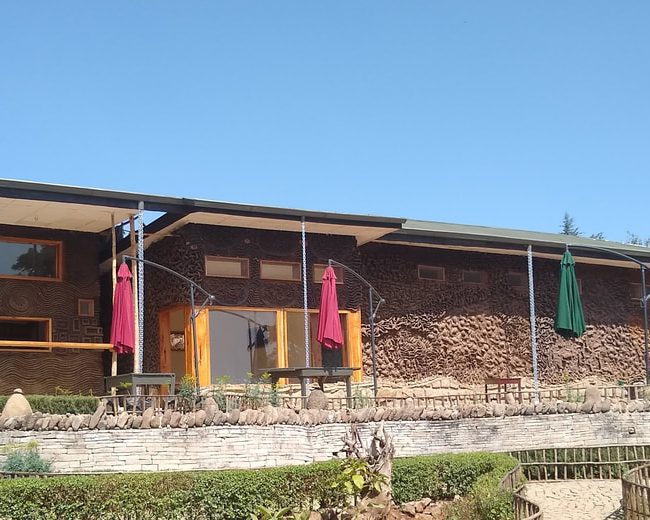
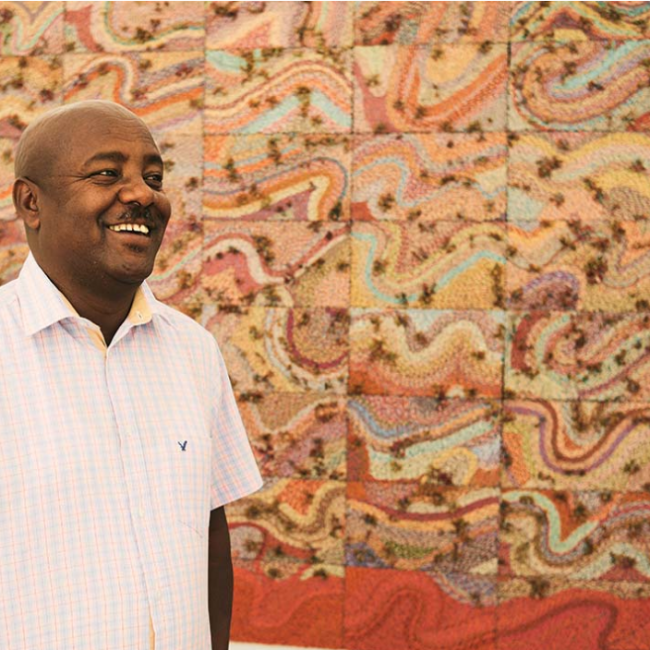
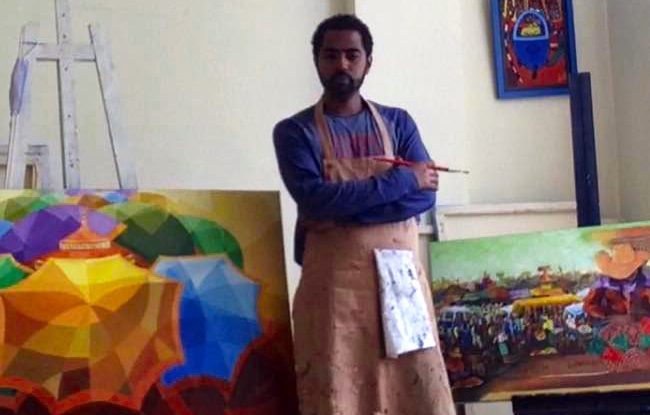
- Visual Arts: The city’s art scene is vibrant, with galleries like the Zoma Museum and Addis Fine Art showcasing contemporary Ethiopian artists alongside traditional works.
- Theater and Cinema: Addis boasts a thriving performing arts scene, with institutions like the National Theatreand local cinemas offering a mix of Ethiopian and international productions.
- Literature: Ethiopian literature, deeply rooted in Amharic, is celebrated in Addis through bookstores, festivals, and historical manuscripts.
- Festivals and Celebrations:
- Timket (Epiphany): A major religious festival celebrated with colorful processions and ceremonies.
- Meskel: Commemorates the discovery of the True Cross and features vibrant bonfire celebrations.
- Addis Photo Fest: A biannual photography festival that showcases both local and international talents.
5. Historical and Cultural Landmarks
- National Museum of Ethiopia: Home to the famous fossil of Lucy (Dinknesh), one of humanity’s oldest ancestors.
- Holy Trinity Cathedral: An architectural marvel and the final resting place of Emperor Haile Selassie.
- Ethnological Museum: Offers a deep dive into Ethiopia’s diverse cultures and history, housed within the former palace of Haile Selassie.
- Entoto Hills: A serene area with panoramic views of the city and historical churches like St. Mary of Zion.
6. Education and Academia
- Addis Ababa University: The city’s premier institution for higher education, with a focus on research and cultural preservation.
- Cultural Institutes: Centers like the Alliance Éthio-Française and the Goethe-Institut promote international cultural exchange and local arts.
7. Transportation and Infrastructure
- Bole International Airport: A key gateway to Africa and beyond, connecting Addis Ababa to major global cities.
- Light Rail Transit: Ethiopia’s first light rail system eases urban transport within the city.
- Merkato: A sprawling market that offers a glimpse into the hustle and bustle of Ethiopian commerce.
Highlights of Addis Ababa
- Cultural Vibrancy: The city is alive with art, music, festivals, and traditional practices that reflect Ethiopia’s unique identity.
- Historical Significance: As a city deeply rooted in Ethiopian and African history, it is a treasure trove of historical landmarks.
- Diplomatic Capital: A hub for African unity and international cooperation.
Addis Ababa is more than just Ethiopia’s capital—it is a cultural and political beacon for Africa, offering a captivating blend of history, creativity, and progress.