
Algiers: The Radiant Capital of Algeria
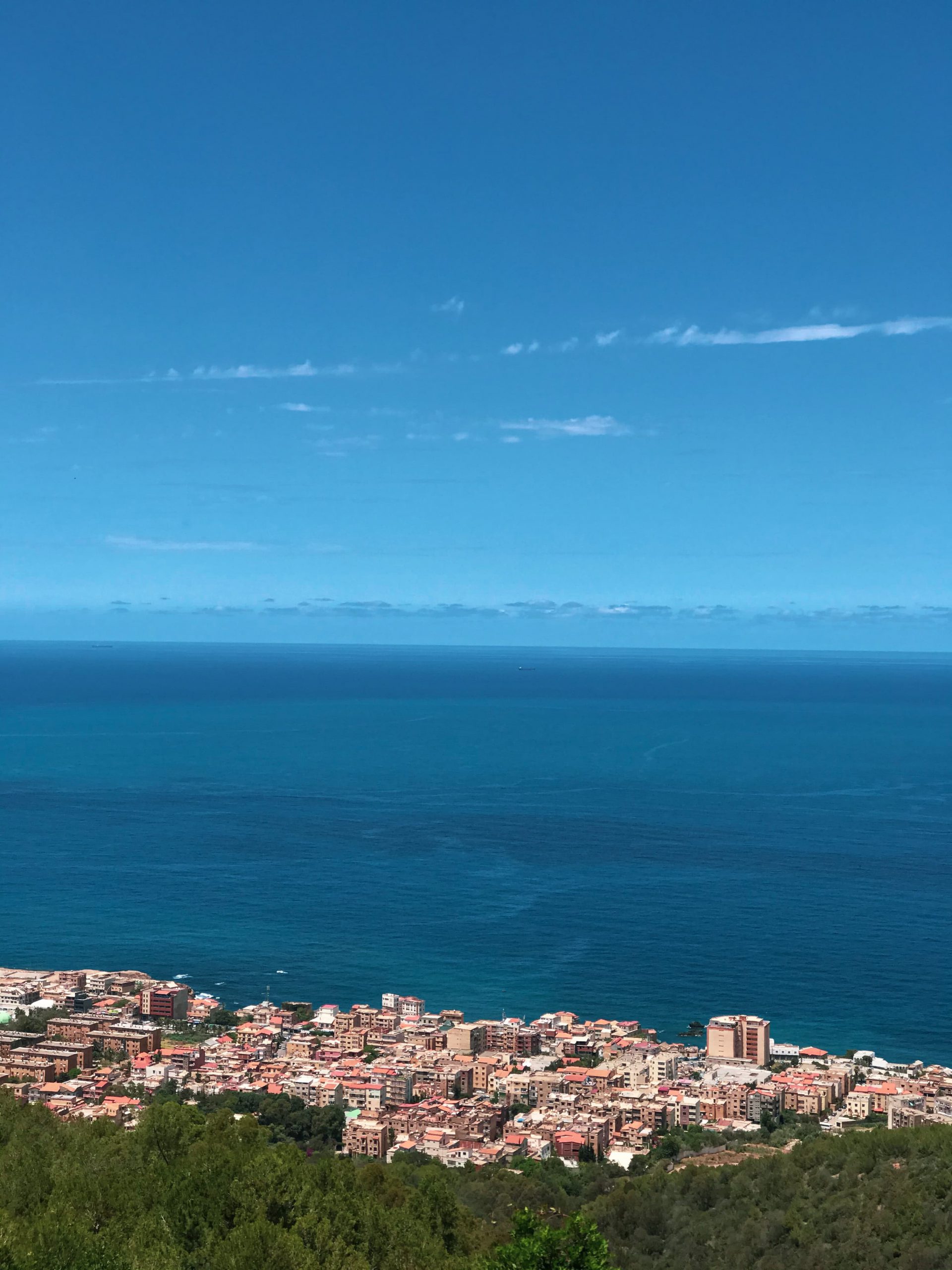
Algiers, Algeria’s capital and largest city, is a dynamic metropolis with a history that stretches back thousands of years. Known as “El-Djazair” in Arabic, the city is a cultural and economic hub situated on the Mediterranean coast, blending ancient traditions with modernity. Its whitewashed buildings overlooking the sea have earned it the nickname “Algiers the White.”
Historical and Architectural Highlights
- Casbah of Algiers: A UNESCO World Heritage Site, the Casbah is a labyrinth of narrow streets, historic mosques, and Ottoman-era palaces. It serves as a living museum of Algiers’ history, showcasing architecture from the Islamic and Ottoman periods.
- French Colonial Influence: The city’s architecture includes Haussmann-style buildings and wide boulevards, a legacy of its time under French rule.
- Martyrs’ Memorial (Maqam Echahid): This iconic monument commemorates those who died in Algeria’s struggle for independence.
Arts and Culture
1. Visual Arts
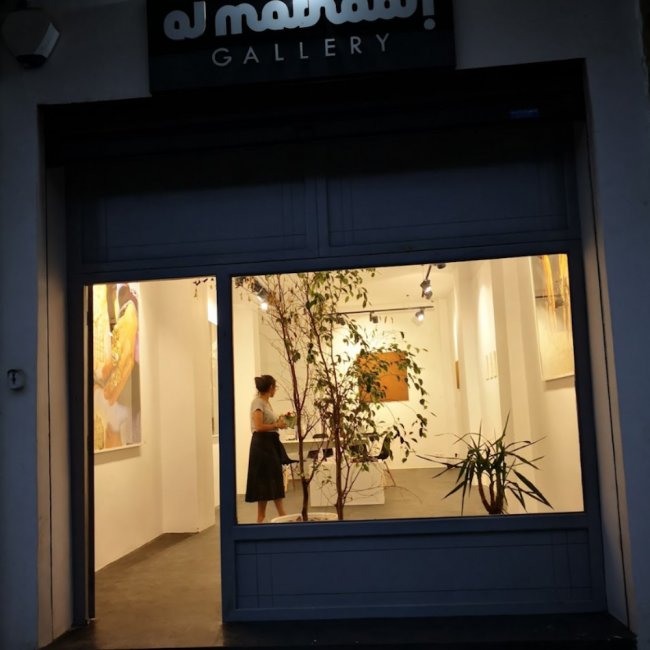
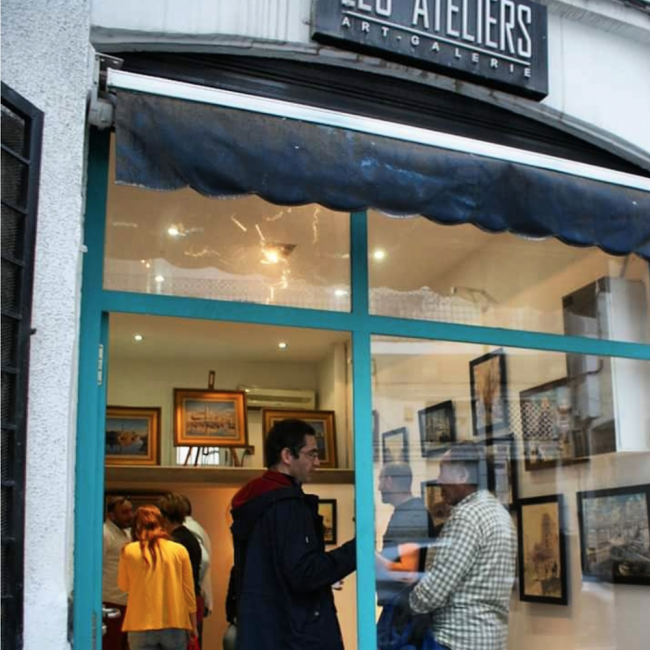
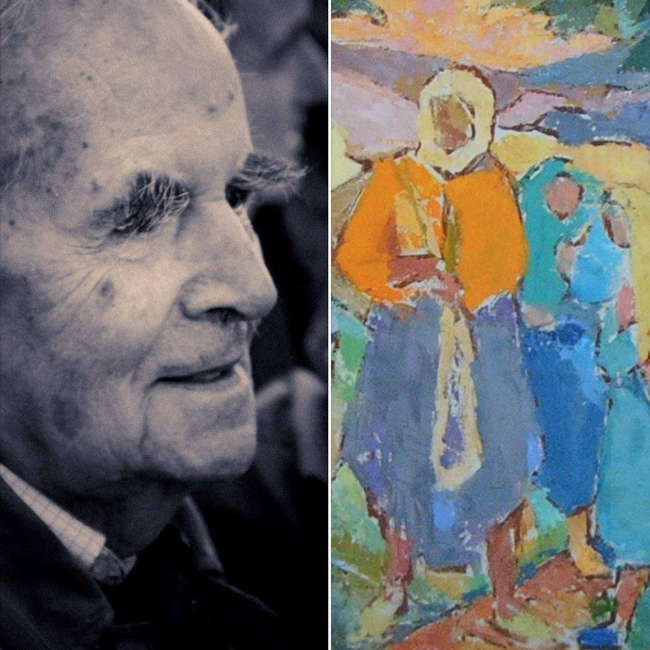
Algiers is a thriving center for Algerian visual arts, with galleries and exhibitions celebrating both contemporary and traditional art.
- Contemporary Art: The Galerie d’Art Moderne in Algiers showcases the works of modern Algerian artists, often addressing themes of identity, history, and resistance.
- Street Art: Algiers has seen a rise in vibrant street art, particularly in neighborhoods like Bab El Oued, reflecting the voices of the city’s youth and social issues.
2. Music and Performing Arts
- Chaabi Music: This genre, rooted in Algiers, is characterized by its soulful melodies and poetic lyrics. Often performed in traditional cafes, it reflects the city’s urban heritage.
- Opera of Algiers (Boualem Bessaïh Opera): A modern cultural landmark, the opera house hosts performances of classical and contemporary music, ballet, and theater.
- Festival International de Musique Andalouse: This annual event celebrates Andalusian music, a genre that blends Arab and Iberian influences.
3. Theater and Film
- Algiers has a vibrant theater scene, with venues like the National Theatre of Algiers presenting plays that explore Algerian society and history.
- The city is a key player in the Algerian film industry, often hosting film festivals and serving as a backdrop for both local and international productions.
4. Museums and Cultural Institutions
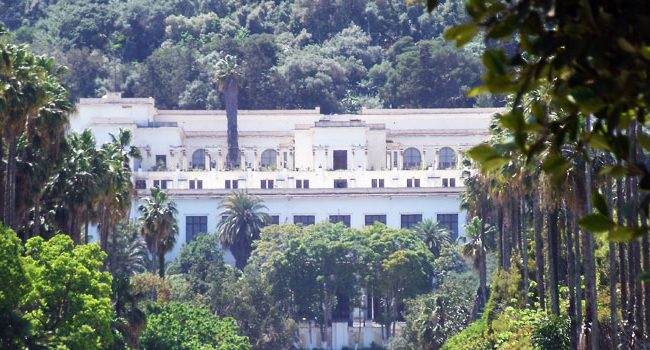
- Bardo National Museum of Prehistory and Ethnography: Housed in a historic mansion, this museum features artifacts from Algeria’s ancient history and ethnographic exhibits.
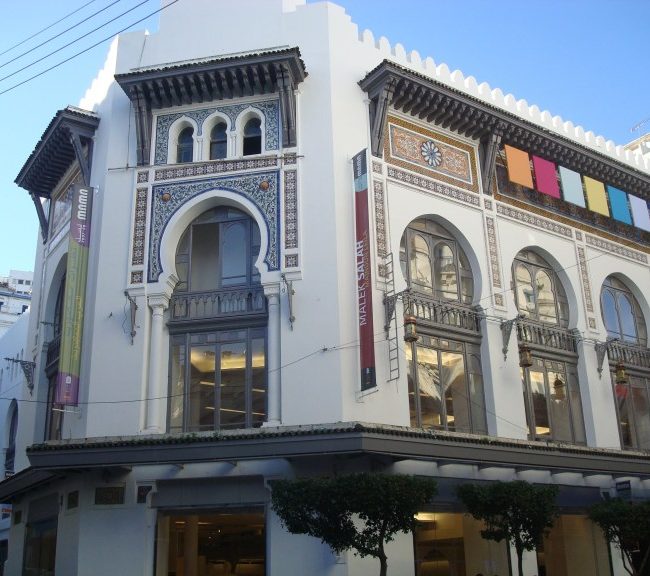
- Museum of Modern Art (MAMA): Located in a historic building in the heart of Algiers, MAMA is dedicated to contemporary art, showcasing works by Algerian and international artists.
- Palais des Rais (Bastion 23): A beautifully preserved Ottoman palace that serves as a cultural center and museum, hosting exhibitions and cultural events.
Festivals and Celebrations
- International Festival of Contemporary Dance (FIDC): Held in Algiers, this festival brings together performers from across the globe, promoting cultural exchange through dance.
- National Amazigh Film Festival: Celebrates Berber culture and language through the medium of cinema, held in Algiers and other cities.
Culinary Arts
Algiers is also known for its culinary heritage, blending Berber, Arab, Ottoman, and French influences. Dishes like couscous, chorba, and makrout are staples, while the city’s cafes serve mint tea and French-style pastries.
Algiers Today
Modern Algiers is a bustling city where tradition meets innovation. Its cultural scene reflects a society deeply rooted in its heritage yet eager to embrace global influences. As a center for art, music, and intellectual thought, Algiers remains a beacon of culture in North Africa.