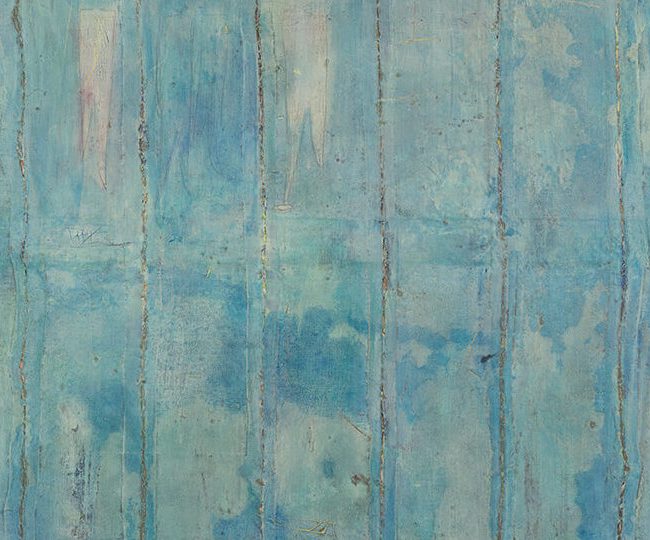
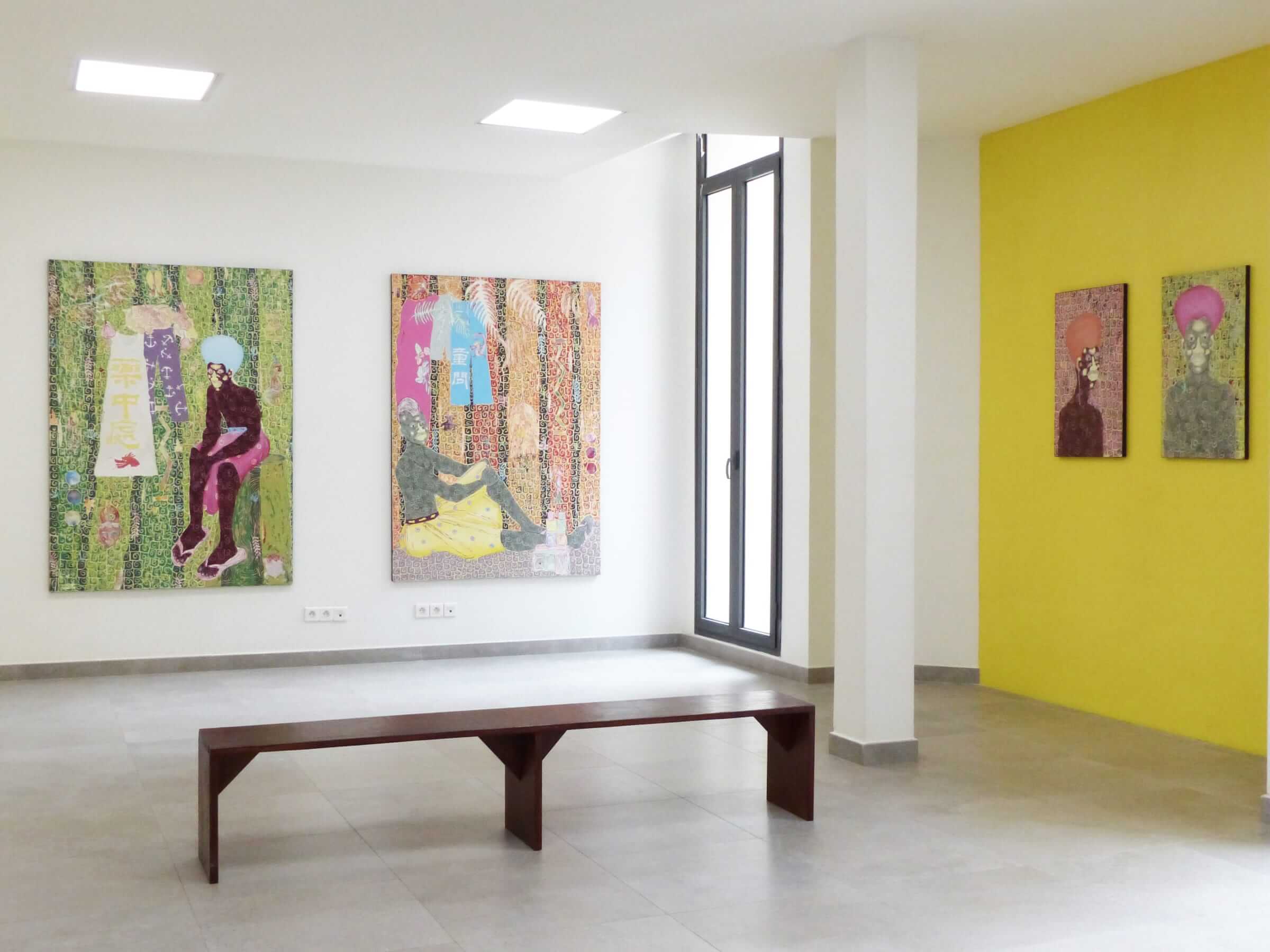
Dakar, being the capital and largest city of the Independent Republic of Senegal, is now one of western Africa’s chief seaports, protected by the limestone cliffs of the cape and by a system of breakwaters. In 1677, the French took over the island of Gorée, off the coast of Cap-Vert, and used it as a base for the Atlantic slave trade. Attracted by the location on a natural harbor and its proximity to the island of Gorée, France soon annexed the village which is now Dakar. Since then, Dakar grew into a major port and a major city of the French colonial empire. It became the political center of French West Africa and replaced Saint-Louis as the federal capital. The opening in 1886 and in 1923 of two railway lines to Saint-Luis and French Sudan (now Mali) brought new transit trade to the port and stimulated cultivation and peanut-shipping. During the Second World War, Dakar gained notoriety due to the ruling Vichy French’s alliance with Germany. From 1959 to 1960, Dakar was the capital of the short-lived Mali Federation and in 1960 it became the capital of the Republic of Senegal. Culturally, Dakar has more recently been recognized for the “Dak’Art” Biennale of Contemporary Art.
<div></div>


Dakar
Prices
Related

Listings are not found.

Listings are not found.