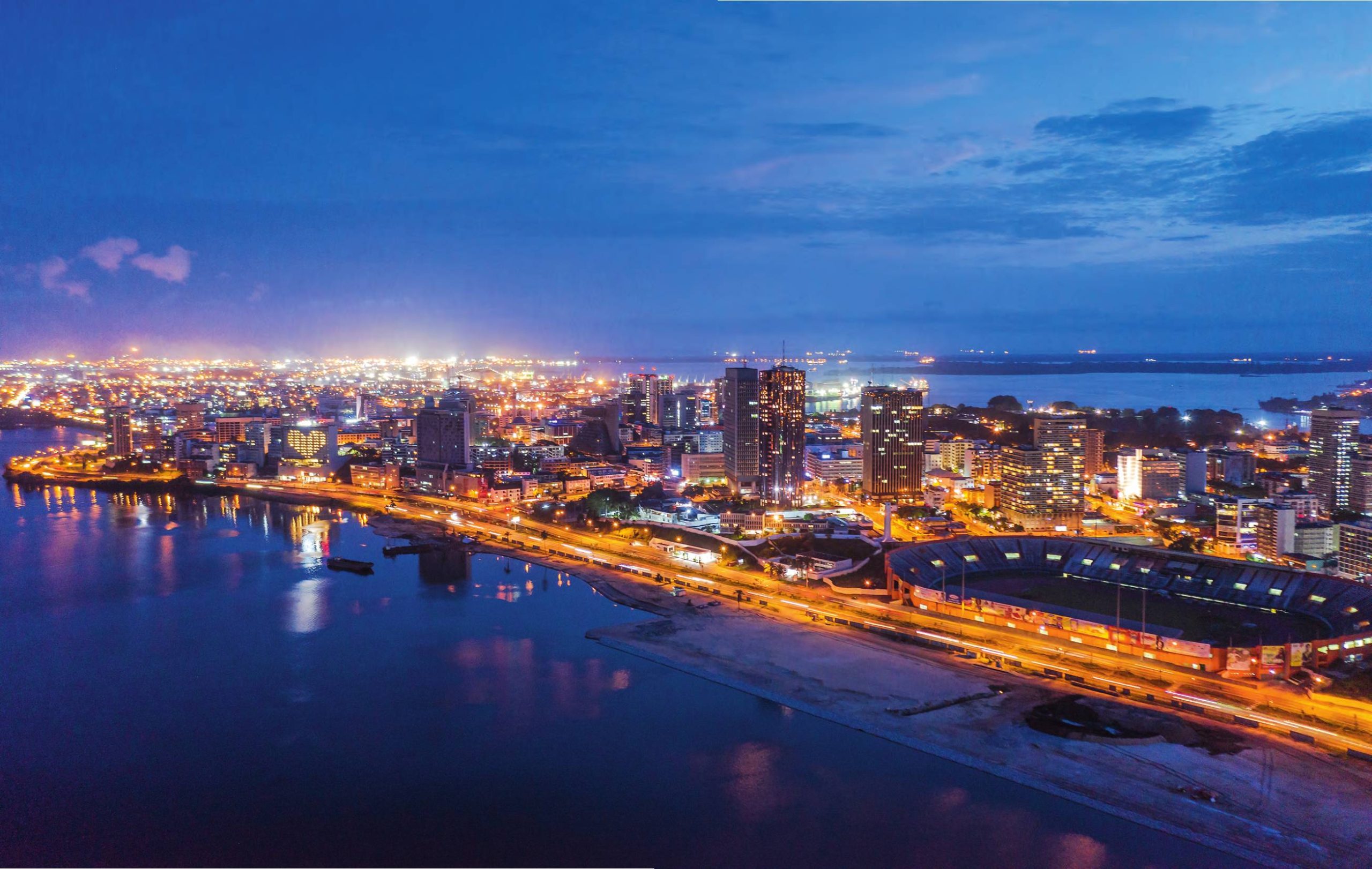

Abidjan is the largest city and the economic powerhouse of Côte d’Ivoire (Ivory Coast), located on the southern coast along the Ébrié Lagoon. It is the country’s most populous urban center, often referred to as the “Paris of West Africa” for its modern infrastructure, dynamic culture, and economic influence.
Key Features of Abidjan
1. Geography and Climate:
- Location: Situated on the Gulf of Guinea, Abidjan sprawls across a network of lagoons and bridges connecting its various districts.
- Climate: Tropical climate with two rainy seasons (April to July and September to November) and a humid, warm atmosphere year-round.
2. Population and Culture:
- Population: Over 5 million people, making it one of the largest cities in West Africa. It is a melting pot of ethnic groups from Côte d’Ivoire and beyond.
- Culture:
- Known for its vibrant music scene, including Coupé-Décalé and Zouglou genres.
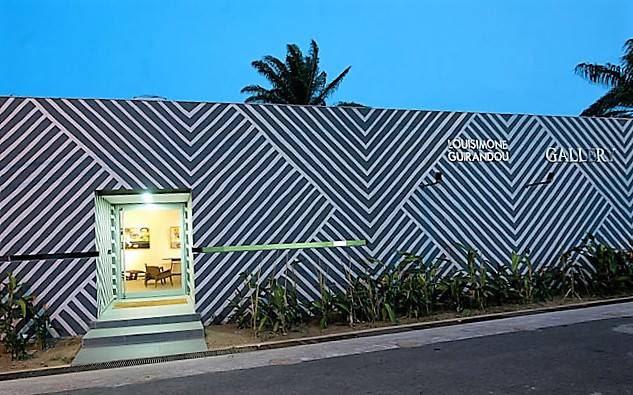
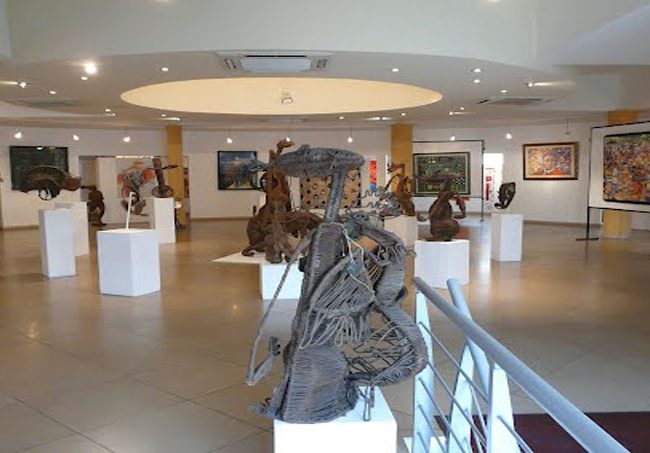
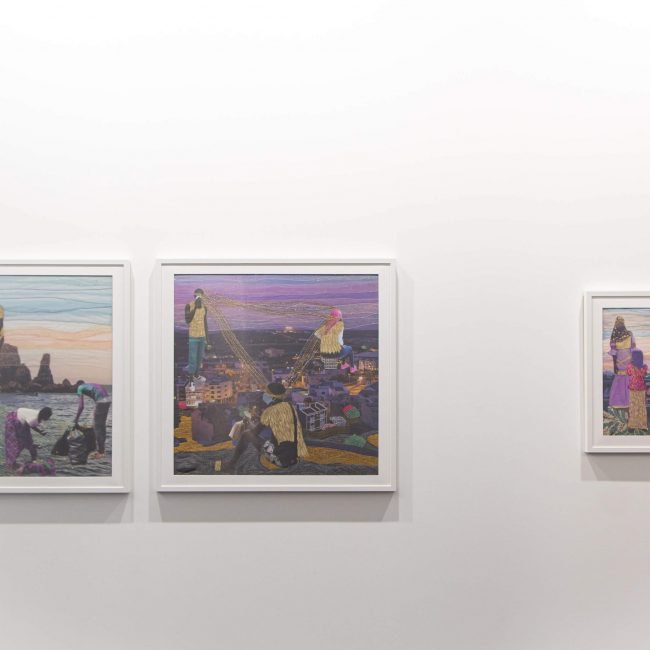
- A center for art and fashion, hosting exhibitions and cultural festivals like MASA (Market for African Performing Arts).
- Rich in Ivorian cuisine, with popular dishes like attieké (cassava couscous) and grilled fish widely enjoyed.
3. Economy:
- Industrial Hub: Abidjan is the economic engine of Côte d’Ivoire, housing major industries, multinational companies, and a bustling port.
- Port of Abidjan: One of Africa’s largest and busiest ports, handling significant trade for the region.
- Business and Banking: A financial hub with regional offices of major banks and organizations.
4. Districts:
Abidjan is divided into several unique districts:
- Plateau: The city’s central business district, known for its skyscrapers and government buildings.
- Cocody: A wealthy residential area home to embassies, universities, and the iconic Hôtel Ivoire.
- Treichville: The heart of nightlife and entertainment, with vibrant markets and cultural spots.
- Yopougon: The largest and most populous district, celebrated for its lively nightlife and working-class spirit.
5. Landmarks and Attractions:
- St. Paul’s Cathedral: A striking modernist cathedral designed by Italian architect Aldo Spirito.
- Banco National Park: A tropical forest reserve offering a natural retreat within the city.
- Ébrié Lagoon: The city’s waterfront adds scenic beauty and supports fishing communities.
- Markets: The Treichville and Adjame markets are bustling hubs of commerce and local life.
6. Transportation:
- Félix Houphouët-Boigny International Airport: A major gateway to West Africa.
- Urban Transport: Abidjan boasts an extensive network of buses, minibusses (gbakas), and ferries.
- Metro Project: A modern rail transit system under development to ease congestion.
Highlights of Abidjan
Abidjan encapsulates the essence of modern African cities with its blend of economic vitality, cultural vibrancy, and natural beauty. It serves as a hub for innovation, trade, and entertainment, making it an essential gateway to West Africa.